
Explore how a Millwright or Fitter & Turner apprenticeship in South Africa can launch your engineering career, what to expect, and how to stand out.
If you’ve ever considered working with machines, fixing systems, or building things that actually keep industries running, then a Millwright or Fitter & Turner apprenticeship could be one of the smartest moves you make.
Opportunities like this one in Prospecton, Durban (KwaZulu-Natal) are more than just short-term training—they’re stepping stones into South Africa’s manufacturing and engineering sectors, where skilled artisans are always in demand.
But before you rush to apply, it’s worth understanding what this path involves, what employers are really looking for, and whether it’s the right fit for you.
Table of Contents
Why Apprenticeships Remain One of the Best Ways to Become an Artisan
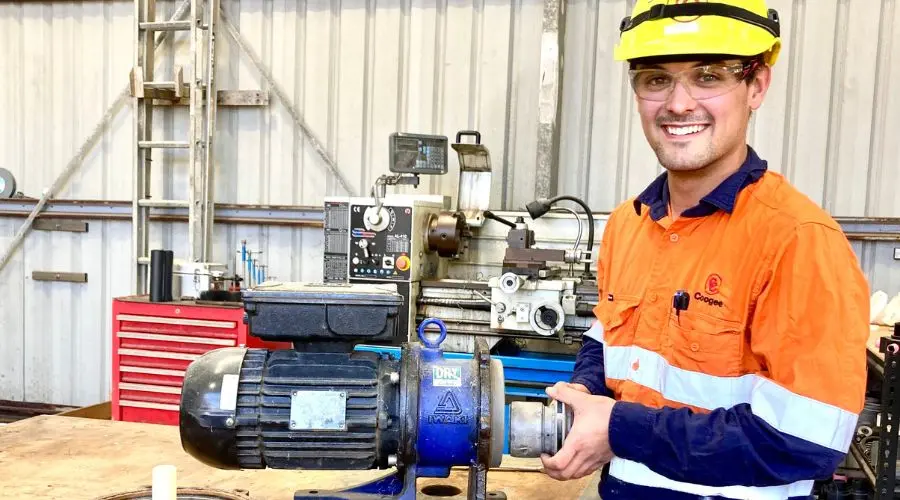
This apprenticeship programme is designed to train candidates in either the Millwright or Fitter & Turner trade. Unlike classroom-only learning, this is a practical, workshop-based experience where you earn while you learn.
You’ll be placed in a structured training environment under a Technical Training Centre, gaining exposure to real industrial equipment and processes.
Here’s what makes this kind of opportunity valuable:
- You gain real workplace experience, not just theory
- You develop technical skills that are scarce in SA
- You build a foundation for long-term employment in manufacturing
However, one important detail many people overlook:
Permanent employment is not guaranteed after completion.
This means you need to treat the apprenticeship as a launchpad, not a final destination.
Millwright vs Fitter & Turner — What’s the Difference?
Before applying, it’s important to understand the difference between these two trades.
Millwright
A Millwright works with both mechanical and electrical systems. You’ll be responsible for installing, maintaining, and repairing machinery.
Typical workplaces include manufacturing plants, automotive factories, food processing facilities, mining operations, and production plants where machinery requires both electrical and mechanical maintenance.
Best suited for you if:
- You enjoy both electrical and mechanical work
- You like troubleshooting complex systems
- You prefer variety in your daily tasks
Fitter & Turner
This role focuses more on precision engineering—cutting, shaping, and assembling metal parts used in machines.
Fitter & Turners often work in engineering workshops, manufacturing facilities, mining companies, fabrication businesses, and maintenance departments where precision machining and component manufacturing are essential.
Best suited for you if:
- You enjoy detailed, hands-on work
- You’re good with measurements and accuracy
- You prefer working with tools and components directly
What Does an Apprentice Actually Do Each Day?
Many people imagine apprentices spending most of their time in a classroom, but the reality is often much more practical. Depending on the workplace, apprentices may assist experienced artisans with installing equipment, inspecting machinery, carrying out preventative maintenance, replacing worn components, reading technical drawings, and following strict workplace safety procedures.
As their skills develop, apprentices are usually given greater responsibility while continuing to learn under supervision. This combination of structured training and real workplace exposure is one of the biggest advantages of an apprenticeship.
Do You Meet the Entry Expectations?
To qualify, you’ll need either an NTC3 certificate or a Technical Matric with key subjects like:
- Mathematics
- Engineering Science
- Trade Theory (depending on your chosen field)
- Technical Drawing
Having workshop experience is not always required—but it definitely gives you an advantage.
Reality check:
Many applicants meet the minimum requirements. What separates successful candidates is how well they demonstrate interest, discipline, and practical understanding.
What the Day-to-Day Experience Might Look Like
Unlike university life, apprenticeships are structured around work routines.
You can expect:
- Early starts and full-day schedules
- Time split between theory and workshop training
- Physical work, especially in manufacturing environments
This isn’t a “sit and study” path—it’s active, sometimes demanding, and requires focus.
Challenges You Should Be Prepared For
Let’s be honest—this path isn’t easy.
Some of the common challenges include:
- Adapting to physically demanding environments
- Learning complex technical systems quickly
- Balancing theory with hands-on work
- Uncertainty about permanent placement after completion
But these challenges also build resilience, which is exactly what employers in technical industries value.
Who This Path Might NOT Suit
This apprenticeship may not be the best fit if:
- You prefer office-based or desk jobs
- You struggle with hands-on or physical tasks
- You’re not interested in engineering or machinery
- You want guaranteed employment immediately after training
Choosing the wrong path can waste years—so be honest with yourself before applying.
What Employers Look for in Apprentice Candidates
Here’s where many applicants go wrong—they assume meeting requirements is enough.
It’s not.
Qualities That Often Separate Strong Apprentices
- Highlight any practical experience (even school projects or informal work)
- Show genuine interest in engineering—not just “I need a job”
- Keep your CV simple but focused on technical subjects and skills
- Prepare for possible assessments or interviews
Insider tip:
Employers often look for attitude over experience. Someone willing to learn and work hard can stand out more than someone with average marks and no passion.
What Happens After the Apprenticeship?
Even though permanent placement isn’t guaranteed, completing an apprenticeship opens multiple doors.
You can:
- Apply for artisan positions
- Work in manufacturing plants
- Join maintenance teams in various industries
- Continue building experience toward trade certification
Because machinery is essential to many industries, qualified artisans often have opportunities across manufacturing, mining, automotive production, food processing, packaging, and engineering services. Career progression usually depends on experience, additional training, and the specific industry rather than the apprenticeship alone.
Industries That Employ Qualified Artisans
One of the biggest advantages of completing a recognised apprenticeship is that the skills developed are valued across multiple industries. Qualified Millwrights and Fitter & Turners may find opportunities in sectors such as automotive manufacturing, mining, food processing, packaging, steel production, energy generation, and heavy engineering. Although the day-to-day work may differ between industries, the core technical skills gained during an apprenticeship often remain highly transferable.
A Smarter Way to Approach This Opportunity
Instead of seeing this as a one-time chance, think long-term.
Ask yourself:
- What skills will I gain here?
- How can I use this experience elsewhere?
- What’s my next step after completion?
Planning ahead puts you in control of your career—not just reacting to opportunities.
Avoid These Common Application Mistakes
Many applicants get rejected for simple reasons:
- Submitting incomplete applications
- Using a generic CV with no technical focus
- Not understanding the role they’re applying for
- Missing the application deadline
Small details matter more than you think.
Need Help With Your Application?
If you’re interested in technical careers beyond this apprenticeship, you may also find our guide on Chemical Plant Operator Learnership 2026 useful. It explores another pathway into South Africa’s industrial sector and explains the skills, workplace environment, and long-term career opportunities available in technical industries.
Eligible candidates may apply directly through the employer’s official website.
Why This Apprenticeship Can Be a Strong Starting Poin
For the right person, absolutely.
An apprenticeship like this can:
- Kickstart your engineering career
- Give you practical, job-ready skills
- Open doors in multiple industries
But it requires commitment, patience, and a willingness to learn.
If you’re serious about building a technical career in South Africa, this could be one of the most valuable first steps you take.