
Discover free online courses you can start without matric in South Africa. Learn valuable skills, explore career pathways, and find beginner-friendly opportunities to grow in 2026.
Table of Contents
No matric? That doesn’t mean learning has to stop
For many young people in South Africa, not having matric can feel like a door closing before life even begins. Job applications become difficult, tertiary opportunities feel limited, and confidence slowly drops with every rejection email.
But something important has changed over the past few years: learning is no longer locked inside traditional classrooms.
Today, thousands of people are building practical skills online without formal qualifications. Some are learning digital marketing from their phones. Others are studying coding, graphic design, customer service, entrepreneurship, or computer skills through free platforms that care more about willingness to learn than school history.
That doesn’t mean every online course will magically change your life overnight. But it does mean this: lacking matric no longer automatically removes your ability to grow, learn, or create opportunities for yourself.
Why free online learning is growing so fast in South Africa
South Africa’s job market is changing. Employers are increasingly paying attention to skills, adaptability, and practical experience—especially in digital industries.
This shift has created space for alternative learning pathways.
Many companies now value:
- Portfolio work
- Short certifications
- Demonstrated skills
- Freelance experience
- Online training completion
In fields like digital marketing, tech support, content creation, design, and entrepreneurship, practical ability often matters more than traditional academic background.
That’s why free online courses without matric are becoming more relevant than ever.
The smartest way to choose a course (most beginners get this wrong)
A common mistake people make is choosing courses based only on what sounds popular.
For example, someone hears coding pays well, signs up for a programming course, then quits after two weeks because they actually dislike technical work.
Instead of chasing trends, start by asking:
- What type of work interests me naturally?
- Do I enjoy creative tasks, working with people, solving problems, or organising information?
- Am I looking for employment, freelancing, or self-employment opportunities?
This approach saves time and helps you stay motivated longer.
Free courses that are beginner-friendly even without matric
Not every field requires advanced academic knowledge to begin learning. Some are intentionally designed for complete beginners.
Here are some of the most accessible areas to start exploring:
Digital marketing
This includes social media management, basic advertising, content creation, and email marketing. Many small businesses need these skills.
Graphic design
Beginner-friendly platforms teach logo creation, posters, and social media graphics using free tools.
Computer literacy
Basic computer skills remain valuable in South Africa’s job market, especially for admin and support roles.
Entrepreneurship and small business basics
These courses help people understand pricing, budgeting, customer service, and marketing.
Customer service and communication
Useful for retail, call centres, hospitality, and remote work opportunities.
Introductory coding and web development
Some platforms teach coding from absolute beginner level using step-by-step lessons.
The important thing is not choosing the “highest paying” field immediately. Choose something you can realistically stay consistent with.
A reality many people don’t mention
Free online learning sounds exciting, but it also comes with challenges.
Without structure, many students:
- Lose motivation halfway
- Jump between courses without finishing
- Collect certificates without building real skills
- Study inconsistently
This is why discipline matters more than intelligence in online learning.
Even one hour daily can create progress if done consistently.
What employers actually notice
Many people assume free courses are ignored by employers. That’s not entirely true.
A certificate alone may not impress someone. But practical proof of skill often does.
For example:
- A beginner designer with sample work
- A social media learner managing a small business page
- A coding student building simple websites
- Someone showing consistency in learning and improvement
These things create credibility.
This is especially important for young South Africans trying to enter industries where formal experience is difficult to get.
Who online learning may not work well for
It’s important to be realistic.
Free online courses without matric can open doors, but they are not ideal for everyone.
This path can be difficult for people who:
- Need constant supervision
- Struggle with self-discipline
- Expect instant income after learning
- Avoid practising skills outside lessons
Online learning rewards consistency more than speed.
If you are not prepared to practise regularly, progress becomes much slower.
The underrated advantage of learning from your phone
One of the biggest changes in education is mobile learning.
Many South Africans now complete courses directly from smartphones without owning laptops. While computers are still useful, phones are enough for:
- Watching lessons
- Downloading materials
- Taking quizzes
- Joining learning communities
- Practising basic digital skills
This has made learning more accessible to people who previously felt excluded.
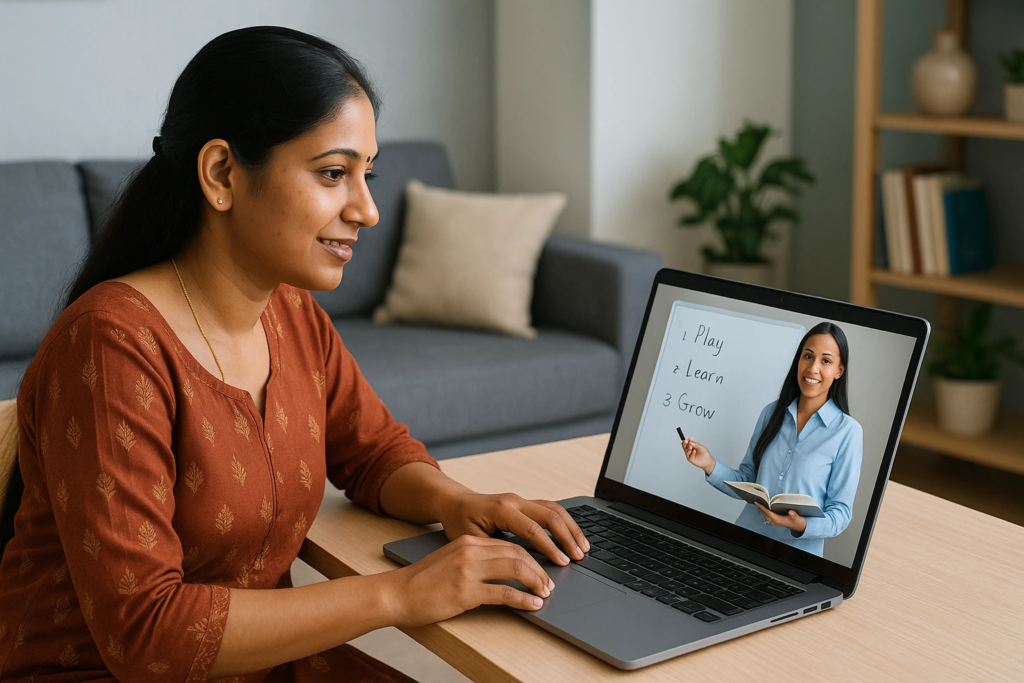
Common mistakes first-time learners make
Many beginners unintentionally slow down their own progress.
Trying too many courses at once
This creates confusion and burnout.
Focusing only on certificates
Skills matter more than collecting PDFs.
Comparing themselves to advanced learners
Everyone starts somewhere.
Choosing difficult courses too early
Starting simple builds confidence and consistency.
Avoiding these mistakes can save months of frustration.
A different pathway into opportunity
Not every successful person followed a traditional education route.
Some people use online courses to:
- Build freelance income
- Start small businesses
- Improve employability
- Prepare for learnerships or internships
- Develop skills before rewriting matric later
This is an important mindset shift: online learning is not always a replacement for formal education—it can also be a bridge toward future opportunities.
Building momentum matters more than perfection
One completed course with practical application is better than ten unfinished programmes.
If you start learning:
- Stay consistent
- Practice what you learn
- Build small projects
- Improve gradually
That’s how confidence grows.
And over time, those small improvements can lead to opportunities that once felt impossible.
South Africa’s growing focus on digital skills and alternative learning pathways has also been supported through broader education initiatives and resources shared by the Department of Higher Education and Training
A useful place to continue exploring opportunities
If you want to continue developing practical skills, you can explore more learning opportunities through the online courses and free learning section, where different beginner-friendly resources are regularly shared for South African learners.
Readers interested in understanding the broader mission and educational direction behind the platform can also explore the dedicated background information page available on the site.
The platform also shares additional background information about its student-focused content approach and opportunity updates through its information page available on the site.
Clearing Up Common Confusion
1. Can I really study online without matric?
Yes. Many online platforms allow anyone to join courses regardless of formal qualifications.
2. Do free online courses help with employment?
They can, especially when combined with practical skills, projects, and consistency.
3. What are the best beginner-friendly courses without matric?
Digital marketing, computer literacy, graphic design, entrepreneurship, and customer service are good starting points.
4. Do I need a laptop for online learning?
Not always. Many courses can be completed using a smartphone.
5. Can online courses replace matric?
No, but they can help you build skills, confidence, and alternative career pathways while working toward other goals.
6. How long does it take to learn useful skills online?
It depends on the course and your consistency. Some practical beginner skills can be learned within a few weeks or months.
7. What is the biggest mistake online learners make?
Starting too many courses without finishing or practising what they learn is very common.
Disclaimer
This article is intended for informational and educational purposes only. Course availability, certification options, and platform features may change over time. Always verify details directly with official learning providers before enrolling.